
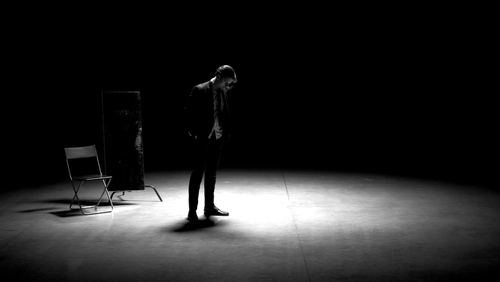
 You’re deeply immersed in your performance. Your mind and your heart are deeply connected to the artistic process, when all of a sudden, something unexpected happens. It’s traumatic and difficult to understand. All you know is that you’re left with a sense of loss.
Maybe you’ve finished shooting a film, and you still feel the imprint of the character you played. You’re still lost in the character’s personality, emotional conflicts, or struggles you enacted. This leaves you feeling raw and exposed.
Or maybe, you were part of a production marked with toxic relationships and that has left you feeling exhausted and uninspired. It was difficult to navigate a series of difficult interactions while on the set, and you’re finding it hard to shake it off.
Or, perhaps you’ve just left the set of a long term production that you just loved. You connected with the creative story, with the characters, the crew people. You spent so long working intensively together, creating this beautiful story. And now, it’s over. You’re back at home, feeling depressed, anxious, disconnected, and lonely.
 Or, you were just in the midst of your prolific career, and out of nowhere, some news came out that just destroyed your image. You are left wondering if you’ll recover.
Or, you’ve been performing with a group of people that you really bonded with. You all invested in your shared creative work. You all together went through ups and downs, including beautiful and challenging moments. Maybe you had a few conflicts, but you overcame them. You really connected with your craft and your crew colleagues. But, heartbreakingly, you lost a member.
These are just a few examples of traumatic creative experiences. An artist can go through a lot! While a career in the arts is very fulfilling and meaningful, it can also expose you to traumatic creative experiences.
Going through a creative experience that involves a traumatic event doesn’t necessarily mean you’re “traumatized” or you “have trauma.” Some creatives and performers go through similar experiences without being traumatized. But for others, these events can leave a lasting impact. It’s made even more difficult by the fact that the impact of a traumatic event can be delayed and it may take a while to realize that you’re still carrying the experience with you.
How do you know whether you’re affected by a traumatic creative experience?
If you have unresolved emotional conflicts or a past history of trauma, you may be more vulnerable to traumatic creative experiences.
Creativity is often born from vulnerability. You have access to a deep well of emotions, thoughts, and experiences that yields meaningful art. But, when that inner well is contaminated by trauma, the act of creation can become painful, even impossible.
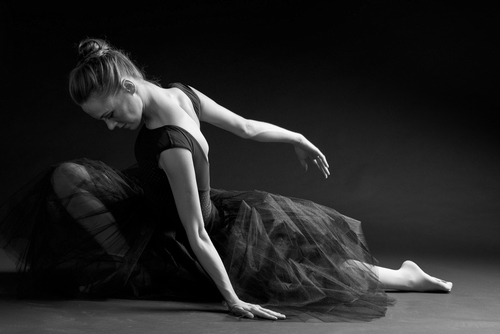
As a performer who has endured some traumatic experience(s), the journey back to a place of artistic expression can feel intimidating. But walking that path is not only possible – it can lead to profound growth,
transformation, and renewed creativity or performance skills.
The Impact of Creative Traumatic Experiences
Trauma from past performances or other creative endeavors affect you in many ways. It can leave scars that run deep. These scars can manifest as:
- self-doubt
- fear of failure
- loss of inspiration
- low motivation
- a sense of feeling paralyzed
- wanting to do great things but not having the energy
- isolating
- sleeping issues, or nightmares
- emotional flashbacks
- anxiety, depression
- and even addictions
 The very act of making art or performing – once a source of joy and fulfillment – may become a trigger, reminding you of emotions or affective states you can’t even understand. Maybe you’re starting to avoid or withdraw from creative opportunities.
When you do perform you might feel disconnected from your emotions, You may even feel numb because your performance doesn’t feel as engaging and alive as it used to.
Or maybe you manage to get back to the set or the stage but it takes a lot out of you. It’s as if you just lost your ability to express yourself with any sense of ease or freedom. You may have a hard time being emotionally present and feel overwhelmed easily.
Maybe, the traumatic experience is creating an internal narrative that changes your relationship to transform your relationship to your creative work or performance. It just doesn’t feel good anymore. You’re left with a sense of disconnection, and the creative process feels mechanical, devoid of the passion and authenticity that once fueled it.
How Can You Heal?
Healing your creative wounds through art, creativity, and performance
Despite the challenges you’ve gone through as an artist, creativity can be a powerful tool for healing. The act of creation allows you to process your experiences in a way that words alone, sometimes, cannot. It provides a safe space to explore difficult emotions, confront your fears, and ultimately, rewrite your stories.
Here are some ways to begin healing through your creative practices:
 1. Give Yourself Permission to Create Imperfectly: Trauma can instill a fear of imperfection, but healing requires to let go of the need for your work to be flawless. Allow yourself to create without judgment. The act of creation itself is valuable, regardless of the outcome.
2. Use Art as a Means of Expression: Whether you paint, write, dance, play/make music, act or engage in any other form of creativity, use your art to express what you’re feeling. Let your emotions flow onto your music notes, singing, acting, dance, canvas, paper, or screen. This process can be cathartic, helping you release suppressed emotions and gain clarity on your experiences.
3. Reconnect with Your Passion: Trauma can create a disconnect between you and your creative passions. Take time to rediscover what you love about your craft. Engage in creative activities that bring you joy, even if they are different from what you typically do. This can help reignite your passion and remind you why you create in the first place.
4. Seek Out Supportive Creative Communities: Healing requires connection. Surround yourself with other creatives who understand what you’re going through. Whether it’s online or in person, finding a community of supportive individuals can provide the encouragement you need to continue your creative journey.
5. Explore New Creative Mediums: Sometimes, the art form through which you’ve experienced trauma can feel too loaded to return to immediately. Exploring a new form of creative expression can be a way to re-engage with your creative spirit without the weight of past experiences.
You could benefit from seeing a therapist who has expertise in emotional trauma and working with creatives and performers
As a therapist who has worked with creatives and performers for more than 20 years, my advice to those who have experienced a traumatic creative experience is that the sooner you seek therapy, the easier it is to process the trauma. When you seek help in the immediate aftermath of a difficult experience, it’s less likely to leave a long term impact.
In particular, I recommend that people who are dealing with post-performance trauma see a therapist who is grounded in a relational model (psychodynamic/psychoanalytic), EMDR, and neuroscience of psychotherapy. Such a therapist can understand, at the core level, how the trauma that occurred in relationships related to the creative endeavors continues to shape your experience.
A multilayered approach to therapy will address your issues at multiple levels. While EMDR provides a very effective trauma treatment, the relational component of psychodynamic and psychoanalytic work will reveal the origins of your earliest emotional wounds, which may be re-awakened by current traumatic creative experiences.
A seasoned therapist who is skilled in working with creatives and treating trauma can understand the complexity involved in being a performer. The right professional can address your unique life, needs, and creativity. This kind of trauma therapy will honor your creativity, making sure it is preserved and maybe even expanded along the way. As I like to say, good psychotherapy is an art and science at the same time.
 Finding a new sense of wholeness – in yourself, your performance, and your creativity
As you begin to heal, you may find that your creativity takes on new dimensions. The trauma you’ve experienced, while painful, can also deepen and enhance your work. You may find that your performance abilities evolve and come to reflect your journey and the resilience you’ve discovered within yourself.
Healing after a traumatic creative experience is not easy, but it is possible. By embracing your creativity and seeking out psychotherapy, you can begin to rebuild your relationship with your craft. Over time, you may find that your art will continue to be a source of healing,
I offer psychodynamic therapy, EMDR therapy (EMDR certified), psychoanalytic therapy (certified), combined with CBT, and grounded in the neuroscience of psychotherapy and relationships in order to help people discover how to live fully in the present and create more fulfilling, successful lives.
 In particular I have an expertise working with creatives, performers, and artists of all kinds – writers, actors, fine artists, musicians, producers, directors, fashion designers, and creative entrepreneurs. My office is in Beverly Hills, Los Angeles. I provide in-person and online psychotherapy to people across California.
If you are interested in EMDR therapy, please contact me for your free 15 minute consultation to see if this therapy is appropriate for you.

