
 Have you ever wondered why certain patterns seem to repeat in your relationships? Perhaps trusting others feels challenging, or there’s a persistent fear of being abandoned. Maybe there’s a part of you that feels uncertain about whether you’re truly worthy of love and connection. These feelings can be deeply isolating, but they’re more common than you might think. Often, they’re rooted in early experiences that shape how we see ourselves and connect with others.
As an experienced EMDR therapist in Los Angeles, I understand how deeply these wounds can impact your life. Through Eye Movement Desensitization and Reprocessing (EMDR) therapy, we can work together to heal these old wounds and help you build healthier, more fulfilling relationships.
Understanding Attachment Trauma
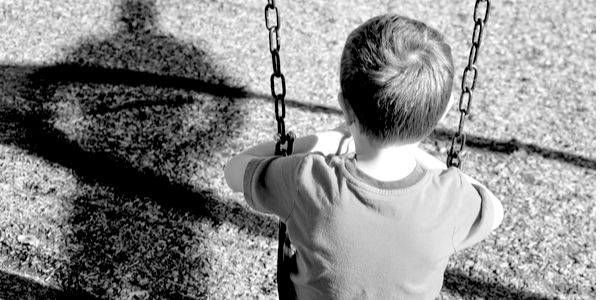
Attachment trauma often begins in childhood, when our essential emotional needs for safety, security, and connection aren’t consistently met. It may stem from experiences like emotional neglect, inconsistent caregiving, or early separations from caregivers. These early experiences leave lasting imprints, shaping our beliefs about ourselves and influencing how we relate to others as adults.
Unlike single-incident traumas, attachment trauma develops over time through repeated experiences. This can lead to challenges like difficulties trusting others, fears of abandonment, and struggles to feel worthy of love. Many people don’t realize how these early patterns silently affect their adult relationships, creativity, and overall sense of self.
If you’re navigating the effects of attachment trauma, seeking trauma therapy in Los Angeles can be a valuable step toward healing.
How EMDR Therapy Facilitates Healing
EMDR therapy is a powerful approach for addressing attachment trauma. While traditional talk therapy focuses on understanding your experiences, EMDR works at a deeper level, helping your brain process and resolve traumatic memories stored in your nervous system. Through techniques like bilateral stimulation (such as eye movements, tapping, or sounds), EMDR helps reduce the emotional intensity of these memories.
For attachment trauma, I often use Attachment-Focused EMDR (AF-EMDR). This specialized approach combines the core principles of EMDR with a deep understanding of how attachment patterns form and heal. Together, we can rewrite the narrative of your relationships—both with others and with yourself.
The Healing Journey with AF-EMDR
When we embark on AF-EMDR therapy together, the journey unfolds in a supportive, step-by-step manner:
Establishing Safety and Stability
Before diving into trauma work, it’s crucial to create a foundation of safety and stability. This involves building a trusting therapeutic relationship and developing personalized coping strategies to help you manage difficult emotions. These tools ensure you feel grounded and supported throughout your healing journey.
 Exploring Core Attachment Wounds
With safety as our foundation, we gently explore the key memories and experiences that have shaped your attachment patterns. This isn’t about assigning blame but rather understanding how these experiences have influenced your inner world and relationships.
Processing and Healing Through EMDR
Using bilateral stimulation, we process these formative experiences, allowing your brain to reframe and integrate them in a healthier way. You remain connected to the present moment, ensuring the process feels manageable. As we work through these memories, you’ll begin to embrace new, empowering beliefs about yourself and your relationships.
Integration and Growth
As your healing deepens, you’ll notice meaningful shifts in how you engage with others and with yourself. Relationships may feel more secure, and you’ll likely experience a renewed sense of self-worth. Many clients describe feeling more connected, confident, and free to live authentically.
The Role of Self-Compassion in Healing
Self-compassion is an integral part of healing attachment trauma. When you learn to treat yourself with kindness and understanding, you create a nurturing inner environment where healing can flourish. EMDR therapy can help you reconnect with your inherent worth, allowing you to approach your struggles with gentleness and patience. Over time, this self-compassion becomes a powerful tool for fostering resilience and emotional well-being.
If self-compassion feels elusive, know that it’s a skill that can be cultivated with the right support. Through our work together, we’ll explore practices that strengthen your capacity for self-kindness and help you build a more compassionate relationship with yourself.
Creative Professionals and Attachment Trauma
Whether you’re an artist, writer, musician, or entrepreneur, healing attachment trauma can empower you to approach your craft with greater confidence and authenticity.
Finding Support in Los Angeles
Healing attachment trauma is about more than reducing symptoms; it’s about transforming how you relate to yourself and the world around you. If you’re navigating relational trauma or looking for relationship counseling in Los Angeles, EMDR therapy can provide a pathway toward greater emotional freedom and meaningful connections.
If attachment trauma has also contributed to anxiety, exploring anxiety therapy in Los Angeles can further support your healing journey.
 Take the First Step Toward Healing
You don’t have to navigate this path alone. At Creative Minds Psychotherapy, I provide a compassionate and supportive space for you to explore and heal from attachment trauma. Whether you’re seeking PTSD therapy, trauma therapy, or EMDR therapy in Los Angeles, I’m here to help.
Together, we can work toward greater emotional freedom, authentic connection, and a deeper sense of self-worth. If you’re ready to take the first step or have questions about how EMDR therapy might help you, I invite you to contact me for a free 15-minute consultation. Let’s explore how EMDR therapy can help you heal and create the fulfilling relationships and life you deserve.
FAQs About EMDR for Attachment Trauma
How many EMDR sessions will I need for attachment trauma?
Healing attachment trauma is a unique journey for each person. While single-incident trauma may resolve in fewer sessions, attachment trauma typically requires more time to address the various layers of early experiences. Most clients notice meaningful improvements within 12–20 sessions, though deeper healing may take longer. We’ll move at a pace that feels safe and effective for you.
Can EMDR therapy help with my relationship issues?
Yes, EMDR therapy can be transformative for relationship challenges rooted in attachment patterns. By addressing the underlying trauma, you can develop greater security in relationships, trust your partner’s love, communicate your needs without fear, and set healthy boundaries.
Is EMDR therapy painful or retraumatizing?

EMDR is designed to be gentle and to prevent retraumatization. We work within your “window of tolerance,” ensuring you remain grounded and present. While emotions may surface during sessions, you’ll have the tools and support to navigate them safely.
How is EMDR different from regular talk therapy for attachment issues?
Traditional talk therapy can help you understand your attachment patterns, but EMDR works at a deeper neurobiological level. By directly addressing how trauma is stored in the body and nervous system, EMDR facilitates more profound and lasting change.
Do I need to remember specific childhood events for EMDR to work?
Not necessarily. Many people with attachment trauma don’t have clear memories of specific events, especially if the trauma occurred in early childhood. EMDR can still be highly effective by working with the feelings, beliefs, and body sensations tied to attachment patterns.
Can EMDR help if I experienced emotional neglect rather than obvious abuse?
Absolutely. Emotional neglect can leave deep wounds, even if it’s less visible than other forms of trauma. EMDR is highly effective for addressing the impacts of unmet emotional needs and helping you heal from what was missing, not just what went wrong.
Dr. Mihaela Ivan Holtz is a licensed Marriage and Family Therapist (LMFT) and Doctor of Clinical Psychology (Psy.D.) with years of experience. She is certified in EMDR and specializes in helping individuals, particularly creative professionals, heal from trauma, anxiety, depression, and creative blocks. Her practice, Creative Minds Psychotherapy, is based in Beverly Hills, CA, offering both in-person and online sessions.

