
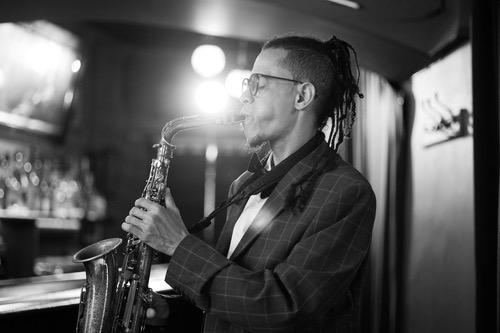
 We often think of trauma as the result of something that happened – a loss, a rupture, an event. But what about the things that didn’t happen?
What about the songs that were never sung, the canvases that remained blank, the book you never wrote, the business you never dared to build? So many ideas abandoned! The experiences you’ve not given yourself the chance to have!
The career that never fully bloomed? The relationships you couldn’t fully show up for, the opportunities you couldn’t step into – not because you lacked talent, intelligence, or desire, but because something inside kept holding you back?
This quiet, persistent heartache is the trauma of unfulfilled potential. And it’s real.
What Is the Trauma of Unfulfilled Potential?
When your creative spark, relational capacity, or full self-expression is blocked – not by your choice, but by invisible emotional conflicts and forces – it can feel like a slow erosion of your vitality. You may not name it as trauma, but the symptoms often speak loud and clear:
- Creative paralysis or perfectionism
- Chronic self-doubt or inner criticism
- Feelings of shame, guilt, or failure
- Depression, anxiety, or emotional numbness
- A haunting sense of “I could have been more…”
This inner stuckness is often rooted in earlier relational wounds – attachment injuries, difficult and depriving relational experiences, unmet emotional needs, or environments that discouraged authentic expression. Over time, these early experiences became an imprint of internalized barriers that limit what feels possible. These barriers aren’t real – but they feel real to you because they were emotionally true in your past.
Why It Hurts So Deeply
Unfulfilled potential isn’t just about missed goals or careers – it’s about the loss of connection to your aliveness. It’s the deepest loss you can experience: the loss of connection with yourself.
This pain is further exacerbated by shame and self-blame: “I should be further along.” “Why can’t I just get over this?” “Maybe I’m just not meant to do this.” But these aren’t signs of failure – they’re echoes of internal conflicts shaped by unresolved relational trauma. These thoughts are expressions of internal conflicts shaped by unresolved trauma – defenses that once helped you survive, but now silently sabotage your capacity to thrive.
 For example, a client, every time she sat down to write music, her chest tightened. She wasn’t afraid of writing – she was afraid of being seen. As much as she craved for her music to be heard and appreciated, she was equally terrified of being seen. In our work together, we traced that fear back to early experiences where her emotions and authentic expressions were dismissed, judged, or criticized.
Through EMDR and analytic work, she reclaimed that creative space and connection to her authentic self – opening doors not just in her music, but in her personal life as well.
This is also the story of the actor afraid to fully embody a role, the painter reluctant to share her work publicly, the dancer paralyzed by stage fright, or the creative entrepreneur hesitant to promote their business.
At the core, each struggled not with talent, but with unresolved relational wounds that made self-expression feel dangerous.
Healing the Emotional Blocks Holding you Back with EMDR and Psychoanalytic Therapy
At Creative Minds Psychotherapy, I integrate EMDR (Eye Movement Desensitization and Reprocessing) with psychoanalytic therapy to address both the emotional imprints of trauma and the unconscious patterns that keep your potential locked away.
EMDR helps process stuck memories and emotional wounds that contribute to paralysis, fear of failure, or self-sabotage. It facilitates neuroplastic change – freeing up emotional energy and reducing distress.
Psychoanalytic therapy brings depth – helping you uncover the unconscious beliefs, early relational templates, and inner conflicts that shaped your identity. Over time, it allows you to reconnect with your inner truth, agency, and creativity.
Together, these approaches help you:
- Heal the underlying emotional conflicts, trauma, or wounds of shame, fear, and inadequacy
- Build a compassionate connection to your inner creative self
- Release frozen emotional states and unlock energy for expression
- Reclaim your voice, vitality, and vision – on your own terms
 The Ripple Effect of Healing
When you begin to heal the trauma of unfulfilled potential, the impact ripples into all areas of your life: You may notice:
- A renewed sense of purpose or passion
- Increased confidence in creative or professional pursuits
- Deeper, more authentic relationships
- The ability to make choices from agency, not avoidance
- A quiet but profound sense of coming home to yourself
You Are Not Broken. You Are Emotionally Blocked – Stuck in Unprocessed Conflicts
If you’ve been struggling with creative stagnation, self-doubt, or the grief of feeling like you’ve held yourself back, there is a good reason. And there is a way through.
You can overcome and move forward to living and creating your life.
The trauma of unfulfilled potential doesn’t have to define your life. With attuned support, compassion, and the right therapeutic approach, you can heal – reclaim your voice, and begin again.
Reach out today to begin your healing journey at Creative Minds Psychotherapy in Los Angeles. I offer EMDR and psychoanalytic therapy for passionate creatives, professionals seeking to unlock their full potential.
You don’t have to live the pain of what could have been. You can live the beauty of being engaged with yourself, others, your work, your life.
 I am Dr. Mihaela Ivan Holtz, a therapist specializing in psychoanlytic and EMDR therapy in Los Angeles. With years of experience, she helps adults heal from childhood-rooted relational trauma, anxiety, depression, creative blocks, performance anxiety – creating paths to emotional freedom and authentic living. Contact me today to begin your journey toward emotional freedom.

