
 As a true creative, you are a brave warrior of the inner worlds. Your courage, just like your creativity, is not an option. It’s an essential part of who you are. Your creativity has to be expressed. It’s your life force that fuels your bravery. It’s what makes you show up, take risks, and bring what matters most to you into being. Because art, in all its forms, takes courage.
Creativity and courage exist in an intimate, reciprocal dance: creativity inspires your courage, and courage brings your creativity to life. It’s your courage that carries your ideas from imagination to manifestation, turning dreams into something real and alive.
As Henri Matisse once said, “Another word for creativity is courage.”
To create is to face the unknown – to move beyond your comfort zone, your doubts, and your fears. It’s to open your heart to the world – to be seen, valued, and loved, but also to risk being misunderstood, criticized, or dismissed. True creativity asks you to step forward, to stay loyal to your vision, and to keep creating from the deepest truth of who you are, while you’re making yourself vulnerable to the world.
Are You Connecting to Your Courage?
 Take a moment to reflect. What comes to your mind when you think about courage? Do you feel connected to it? Do you wonder if you have the kind of creative bravery that allows you to risk, explore, and express? Do you sense what your art, your life, or your potential could be if you trusted that courage a little more?
Sometimes, our courage becomes hidden beneath layers of fear, self-doubt, and anxiety – often shaped by early experiences of daring to show up.
Maybe no one encouraged your efforts when you took creative risks as a child – so you could find your courage to be creative. Or maybe fear was instilled in you just as you began to reach beyond your comfort zone. Perhaps you absorbed your parents’ struggles with courage, unknowingly inheriting their fears. As children, we internalize both the strengths and the wounds of those we love most, often without awareness or consent.
Normal, everyday fears that once felt overwhelming can still live inside you. When they go unhealed, they can take over – turning normal fears and caution into paralysis.
Fear of failure, fear of rejection, fear of sham are all human fears. But when they’re infused with old, painful early experiences, they no longer protect you – they imprison your creativity. Instead of energizing you, they freeze you – your courage can feel out of reach, even though it’s still there – waiting to reconnect with.
It Takes Courage to Be Different
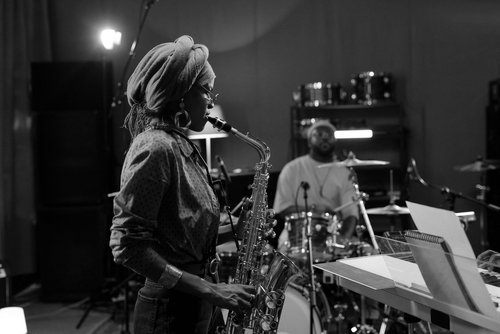 It takes courage to be different – especially when you’re creating from your authentic self. In a world that often values conformity, daring to express your unique vision is an act is a profound act of bravery. Each time you follow your creative instincts instead of the crowd, you challenge expectations, push the boundareis, and expand what’s possible. This kind of courage asks you to embrace the vulnerability that comes with standing apart.
Being different also opens you up to the possibility of judgment or rejection. The fear of not being accepted can hold many creatives back, but it’s important to remember that creativity thrives in the spaces where difference is embraced. True courage lies in sharing your unique perspective, even when it feels risky or uncertain. According to a study on creativity, embracing individuality and fostering everyday creativity can help individuals thrive and contribute to a dynamic, inclusive future
Courage is sharing your perspective and trusting that your truth has its own power and value even in the face of feeling uncertain.
Ultimately, it takes courage to be different because it involves fully owning your individuality. When you trust your creative instincts and express your authentic self, you allow your creativity to flourish in ways that are both deeply personal and meaningful. Embracing your differences is a powerful act that not only fuels your artistic growth but also inspires those around you to do the same.
Owning your individuality is one of the most courageous acts of all. And in doing so, you not only free your own creativity – you invite others to find the courage to be different, too.
You can find comfort in your fears, connect with your courage, and reclaim your creativity.
Courage isn’t something you either have or don’t have – it’s an energy you can connect to when you find comfort and make space for your fears, insecurities, and anxieties.When you tap into your fears and allow them to fuel you rather than paralyze you, you are finding and using your courage. Each time you can use your fears in the service of connecting to your courage, you reclaim your creativity.
 Trust that you can bear your fears as you move through them. The good news is that trust grows through doing. Every time you take a step, face a challenge, or move through discomfort, you strengthen your inner confidence. What once felt impossible becomes an opportunity for growth, healing, and accomplishment.
If you feel you can’t connect to your creative courage and your fears feel too overwhelming to face on your own, therapy can help. Psychotherapy is very effective, not only in healing paralyzing fears but also inspiring and supporting you in your journey of taking on and overcoming the right challenges – challenges that are aligned with who you are.
According to StatPearls, psychotherapy is effective in addressing deep fears and empowering individuals to face challenges that support their personal growth through a collaborative and supportive relationship
You already have within you the courage to express your creativity – the courage to live and bloom fully, to tell the story of who you are with your whole heart, and to choose life over fear.
If you are interested in psychotherapy, please contact me for your 15-20min free phone consultation.
I am Mihaela Ivan Holtz, Doctor in Clinical Psychology. I help creatives, performers, and creative entrepreneurs with emotional trauma, depression, anxiety, performance anxiety, creative blocks, relationships, and addictions – to be and live their own best version. You can read more about
Therapy for Creatives and Performers here.
 If you’d like support in reconnecting to your creative courage, I invite you to reach out for a free 15–20 minute consultation.
Learn more about Therapy for Creatives and Performers here.
Frequently Asked Questions
How can I connect to my courage as a creative?
Connecting to your courage begins with meeting your fears with compassion instead of resistance. In psychotherapy – especially when it focuses on emotional healing – you can uncover and release the old experiences that shaped those fears. EMDR therapy, in particular, helps reprocess painful memories that block your creative flow, allowing your natural courage and authenticity to re-emerge. As you heal, you begin to feel freer, braver, and more inspired to create from your true self.
Why does creativity require courage?
Creativity takes courage because it requires vulnerability. Putting your ideas out into the world opens you to judgment, rejection, and criticism. But it also allows for self-expression and authenticity. Courage enables you to transcend fear and take healthy risks to share your talents and creative vision. It’s the energy that transforms inner truth into creative expression
What is the connection between anxiety and creative blocks?
Yes, anxiety can create mental and emotional blocks that prevent you from fully expressing your creativity. It can freeze your ideas, increase self-doubt, and make you fearful of judgment. Overcoming anxiety and addressing its roots can help unlock your creative potential and allow for a free flow of ideas.
How can psychotherapy help me overcome creative blocks?
Psychotherapy helps you uncover the emotional roots of your creative blocks – those old fears, traumas, or inner critics that silence your expression. Through an integrative approach that may include EMDR, relational, and psychoanalytic work, you can heal the past and reconnect with your creative flow. Therapy becomes a space where courage, authenticity, and inspiration naturally return.
How do I overcome my fear of rejection in my creative work?
Fear of rejection is common in creativity, but it doesn’t have to stop you. Start by looking at rejection as feedback, not as a reflection of your worth. Psychotherapy can help you build resilience, enabling you to face rejection with confidence and use it as a stepping stone to growth and success.

