
 When you love to perform, “stage fright” is more than frightening. It feels like a danger to your livelihood and a hindrance to the creativity that makes you feel strong, alive, and purposeful.
Yet, like most forms of anxiety, fighting it, burying it, or letting it take over is not the answer. The more you avoid facing it, the more you get trapped in it, and the more it interferes with your life and your career.
At the heart of it, performance anxiety strikes where you are most vulnerable and insecure about your gifts and contributions. It can prey on your self-esteem and self-confidence.
Fortunately, EMDR therapy (Eye Movement Desensitization and Reprocessing) for performance anxiety can help you heal and inspire you to fearlessly do what you love.
Is performance anxiety “serious enough” for EMDR?
Definitely. If your career and life are controlled by your “stage fright,” yes. If your anxiety doesn’t allow you to show your real talents and skills, keeping you small as an artist, yes. If you’re amazingly good when you perform in your comfort zone but not on stage, yes. If you avoid performing, no matter how much you love it, yes, anxiety is impacting you enough to consider EMDR for confidence.
 You don’t have to suffer great trauma or injury to find yourself stuck in an unproductive mindset that you can’t shake on your own.
Essentially, EMDR therapy for anxiety helps facilitate mental and emotional release. A meta-analysis found that people who received EMDR experienced greater anxiety reduction than those who received standard therapy alone. You may need to simply reprocess unhelpful emotions, beliefs, and bodily sensations. Or, it may be that you are unaware that your performances have become linked to an unfavorable review, past event, or past performance somehow.
With the guidance of a trained performance anxiety therapist, you can look forward to performing and to connecting with your audiences again. For many, EMDR therapy leads to significant gains in internal comfort and ease on stage or in front of others.
Performance anxiety therapy helps you perform from a place of connection to your talents, skills, and passion for your craft.
 How EMDR Heals by Removing Mental Obstacles and Restoring Confidence
EMDR therapy can help you reprocess unhealthy beliefs, feelings, or memories
If a trauma or a particularly upsetting past performance holds you back or it triggers your anxiety, an EMDR and performance anxiety therapist can help you reprocess those memories.
In particular, an EMDR therapist specializing in working with creatives and performers can understand the different layers of your performance anxieties and support your shift to performing with more emotional freedom.
Perhaps memories of pressure to perform as a child are triggered when you’re just about to perform. Or, a feeling of “you’re not talented enough” or a belief of “who are you to be on the stage” may keep you stuck in anxiety. Maybe, there were times you felt ashamed when you performed…
EMDR therapy for performance anxiety creates a safe environment for healing old painful memories, so you can reconnect to your authentic performing core.
Peeling layers and layers of fears and insecurities through EMDR, eventually, performance anxiety recedes, and your drive to create and perform becomes your leading internal drive and force.
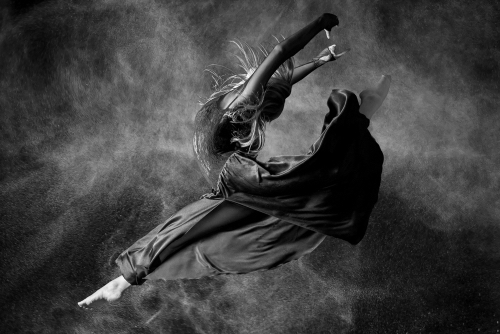 What happened to you is not holding you back anymore. You can perform connected to your passion, talents, and skills – all becoming one flow of creative expression. Those moments when everything stops, it’s just you and your performance merging into telling a meaningful and touching story.
As a result, EMDR is a powerful tool for healing and transforming such anxiety into an ability to perform with more confidence and presence.
How does EMDR work to heal “stage fright” or performance anxiety?
EMDR will help you let go of traumatic memories (charged with unhealthy beliefs and emotions) that are trapped in your mind/body. In a study, people who received EMDR became less overwhelmed by their emotions and felt more able to stay present in their bodies rather than shutting down. Thus, these memories lose their hold on you, and you break free from performing inhibitions – toward a more embodied connection to your body – the hub of your most genuine artistic expression.
As you let go of fears and insecurities trapped in your body, you’ll also take in a sense of trust and grounded confidence in your talent and skills.
EMDR leaves you with a feeling of wholeness and connection to all that you are as a performer: your passion, your talents, and your skills all coming together in your unique way of telling a story through performance.
 It’s through an intimate connection to your body that you can perform with authenticity and impact others. EMDR can help you reconnect with your authentic performing self and step out of your comfort zone into the world.
The right hemisphere of your brain tends to be the more primitive, reactive, and protective, driving your anxious responses. At the same time, the right hemisphere is more creative, but also where traumatic memories get stuck. Unfortunately, when flooded by fears and insecurities, it can lead to opening old traumatic experiences and an inability to access its creative power.
The idea is to harmonize and connect both hemispheres of your brain, to work together as you perform – creating wholeness in your mind/body connection. EMDR supports your ability to tap into such wholeness of expression.
EMDR promotes the exploration of the feelings and sensations you associate with performing.
You’ll notice sensations, emotions, or mental images linked to your performance habits and experiences during EMDR sessions. Healing happens as you consistently and repetitiously clear away unproductive tension and emotional stress associated with fears and doubts. As you begin reprocessing your emotions and sensations, more positive information and ideas can be linked to them.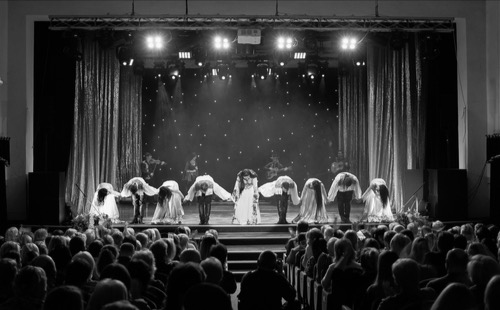
With regular sessions, helpful, healthier thought patterns develop. Goals for your performances start to emerge. Reactivity gives way to thoughtful responses. Substantially improved impulse control and forward-thinking become routine again.
What was once apprehension can be transformed into excitement and anticipation. You’ll likely feel more aware, calm, and in control of yourself in front of your fans as well.
As EMDR begins to shift emotional patterns and restore internal safety, the familiar cycle of performance anxiety can also begin to change.
How to break the cycle of performance anxiety
Performance anxiety tends to cycle through anticipation, fear, avoidance, and self-doubt. You may find yourself worrying long before you perform, feeling tension in your body, and questioning your ability to express your true talent.
The more you try to fight or suppress the anxiety, the more it can take hold and limit your confidence and joy in performing.
 To break this cycle, you begin by gently acknowledging what is happening in your mind and body.
EMDR supports you in reprocessing the emotional imprints that have made performing feel unsafe.
As these emotional and physical responses soften, you can reconnect to your natural presence, curiosity, and sense of artistic flow.
Alongside EMDR, performers often benefit from practices that help restore a grounded and intentional performing experience:
- Reshape your inner dialogue by shifting self-criticism into steady, compassionate self-support
- Stay present with your experience rather than getting caught in imagined future outcomes
- Soften the physical response with slow breathing, grounding, or gentle relaxation
- Return to performing slowly by practicing in safe, low-pressure settings
- Create a pre-performance ritual that invites calm, focus, and authentic expression
With time and guided therapeutic support, your body and mind learn that performing is not a threat but an expression of who you are. The cycle begins to unwind. What once felt frightening becomes meaningful again. You return to the stage connected to your passion and your inner artistic core.
Seeking Help from an EMDR and Performance Anxiety Therapist
The aim of EMDR therapy is to heal unhealthy beliefs and self-perception that don’t support your performing endeavors. Through such healing and transformation, you can enjoy your performing life to the fullest. Fears and insecurities can be faced and transformed in passion and inspiration for performing.
Performance anxiety is not insurmountable. Recognizing mental blocks and shifting the way your brain responds is entirely possible. EMDR therapy might just help boost your confidence and get you on stage in a more powerful and authentic connection to your talents and skills.
Please read more about EMDR treatment on my EMDR page and contact me for your 15-20 min free conversation if you’d like to know more about it.
Frequently Asked Questions
How do eye movement techniques help reduce performance anxiety?
Eye movement techniques used in EMDR therapy help the brain reprocess distressing memories that fuel anxiety symptoms. By pairing eye movement with guided anxiety counseling, clients can release emotional tension linked to performance. This supports improved performance outcomes, deeper confidence, and a renewed sense of artistic expression during sessions with emdr therapists.
Can EMDR help change self-sabotage ing beliefs about my talent or performance abilities?
Yes. EMDR therapy targets self-deafening beliefs stored in the mind and body that influence anxiety and performance outcomes. Through bilateral stimulation and guided counseling, clients can replace old self-doubts with grounded confidence. Over time, this emotional shift allows performers to reconnect with their strengths and creativity during sessions with skilled therapists.
What is the EMDR protocol used for performance anxiety?
The EMDR protocol follows a structured therapy process that identifies distressing memories, emotional triggers, and physical reactions connected to performance. Bilateral stimulation and guided reflection help the brain reprocess these experiences. As clients progress, anxiety symptoms lessen and performance begins to feel more natural, supported by internal clarity rather than fear.
How is EMDR therapy different from traditional anxiety counseling for performers?
Traditional counseling focuses on insight and coping strategies, while EMDR therapy supports deeper emotional processing. EMDR uses bilateral stimulation and eye movement to release stored trauma and stress responses. This approach helps performers shift from survival-based performance to a steady, grounded expression of skill, presence, and confidence in therapy.
How long does EMDR take to help with performance anxiety?
The timeline varies, but many clients begin noticing shifts in anxiety symptoms within several EMDR therapy session – if there are no traumatic early experiences at the root of performance anxiety. If there is some emotional trauma connected with anxiety treatment takes longer.
As distressing memories and emotional blocks are processed through bilateral stimulation, performers often experience increasing confidence and ease. The emdr protocol supports gradual, lasting change rather than quick, temporary performance fixes.
I am Mihaela Ivan Holtz, Doctor in Clinical Psychology. I help creatives and performers with their life struggles, depression, anxiety, performance anxiety, creativity, relationships, love, PTSD, and addictions – to become their own best version. You can read more about Therapy for Creatives and Performers.

