
 You Are the Instrument Behind the Instrument
As a musician, you don’t just bring your musical instrument in the band – you bring yourself.
Your inner world – emotional presence and rhythms, attunement, and conflicts – is the deeper instrument behind the instrument you’re playing. When you’re emotionally disconnected to yourself, you can feel like an out-of-tune instrument entering the group, creating a subtle dissonance that both you and your band can feel.
Yes, your musical instrument needs tuning – but so does your inner self: your emotions, your creative spirit, and the parts of you that show up in collaboration. Your sound, your expression, and your connection with the band are all extensions of your internal world. Your dreams, your hurts, your longings, and your struggles inevitably find their way into the music.
When you are in touch and emotionally connected to yourself you bring forward an attuned self-instrument to create synergy and harmony with others.
There is normal dissonance – part of being human and part of being creative. But when emotional dissonance becomes persistent or pervasive, it affects not only your music but the entire band dynamic.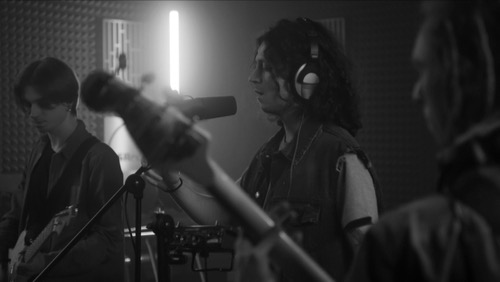
Many unresolved conflicts can get projected into creative endeavors – they impact not only your own musicianship but the band as a whole. Each member brings their internal conflicts into the group, some of which become the band’s conflicts – the emotional dissonance within the band shaping the emotional tone of the entire system.
Being in-tune with yourself, doesn’t mean living a blissful, free of struggles life. It means you are grounded in who you are through moments of beauty and moments of challneges. From that intimate connection with yourself, your creative expression and connections can be more fluid and authentic.
Just as you tune your instrument, you also need to tune your inner emotional world so you can create resonance and harmony within yourself and with those you make music with.
Bands Are Emotionally Dynamic Systems
A band is more than a creative group – it’s an Emotional Creative Space™ where each member brings dynamics, feelings, and conflicts that shape and influence one another. It’s an emotional ecosystem.
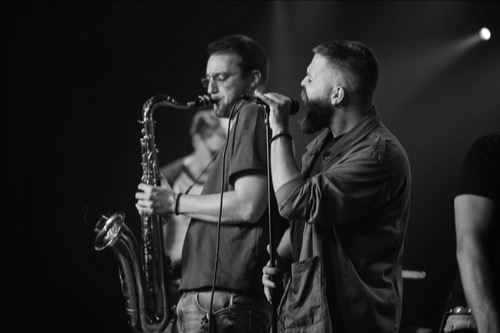 When the relationships within a band feel good-enough, the connection is fulfilling and powerful. Collaboration feels alive. Inspiration flows. You feel supported, understood, and creatively engaged and free.
But when conflict grows within the group, it doesn’t only affect the music. It impacts:
- trust
- motivation
- creative expression
- your sense of belonging
- your ability to stay emotionally invested
- the future of the band
Unresolved conflicts can erode the cohesiveness and vitality that once fueled your music together. Suddenly, the band that used to inspire you begins to feel unexciting or even depleting.
A band depends on emotional attunement, shared purpose, fairness, and honest communication. Without these, lingering tensions can build until the group – or a member – breaks.
Breakups are rarely sudden. Most are the result of a long, quiet unraveling: discomfort that went unnamed, emotions that went unspoken, boundaries that were never set, or hurts that were never repaired.
The loss of a band can feel like a deep loss, even a grief process. After all the rehearsals, performances, road trips and flights, intimate creative moments, laughter, tears, victories, and setbacks – losing a band can feel like losing a part of yourself.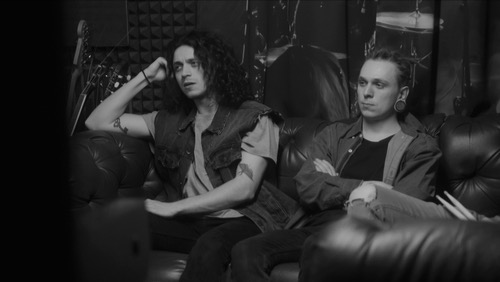
Why Bands Break Down: It’s Not Just About the Music
Behind many band conflicts are deeper emotional patterns, such as:
- Power struggles disguised as creative disagreements
- Envy, insecurity, or comparison within the group
- Old trauma triggered by the intensity of collaboration
- Attachment dynamics that mirror early relational wounds
- Ego-driven behaviors (“I’m the most important one,” “No one plays better than me”)
- Fighting – consciously or unconsciously – over who gets to be louder (literally or metaphorically)
- Members not receiving the acknowledgment and honor they deserve
- Unfairness or favoritism based on loyalties rather than talent
- Romantic feelings within the band that are mishandled
- A member who feels they don’t truly belong – for real, valid reasons
- Addictions used to cope with internal struggles
 These unresolved emotional conflicts – not just creative disagreements – are often what fracture bands.
Emotional Conflicts Don’t Have to End the Band
It’s not conflicts that break bands – it’s how conflicts are held and addressed.
There is such a thing as working through tension with honesty, attunement, and care. When a band can hold conflict in a healthy way, the tension itself becomes a source of creativity, resilience, and deeper connection.
Avoidance, denial, minimization, explosive reactions, impulsive decisions, or emotional withdrawal – these are the patterns that erode a band’s emotional foundation.
But when conflicts are properly addressed, they can become opportunities for growth, authenticity, and renewed inspiration.
Therapy Can Help Bands:
- Understand the emotional conflicts beneath surface arguments
- Work through resentment that has built up over time
- Develop communication tools that honor vulnerability and accountability
- Heal personal or creative trauma influencing the group dynamic
Through individual sessions and/or band-based sessions, therapy offers a safe space to process, repair, and renegotiate relational dynamics so the band can return to its creative core.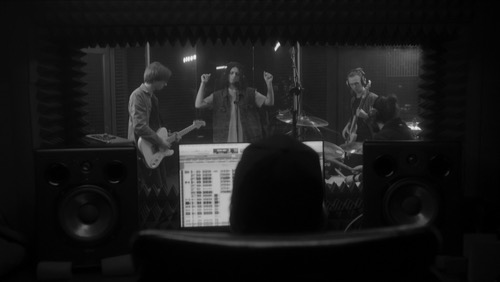
A Space for Creative Survival and Growth
Your band is a relationship – and relationships need reflection, care, and repair.
Psychotherapy can help musicians:
- Rebuild trust after conflict or separation
- Navigate transitions (new members, shifting roles, solo projects)
- Understand how each person’s inner world impacts group dynamics
- Reconnect with their purpose and original creative vision
Whether you’re in a moment of crisis or simply sensing that something feels “off,” it’s never too early to address emotional dynamics before they become fractures.
Want help navigating emotional conflicts in your band?
I’m here to support you.
Let’s help your music – and your connection – inspire you again.
To set a free 20-minute consultation contact me here.

