
 You know the moment. Right before it matters, your body tightens. Your heart races. Your hands sweat. A quiet voice asks, “what if I mess this up?”
It shows up when something important is on the line. A presentation. A performance. An important moment. The pressure rises, your skills feel farther away, and the harder you try to stay calm, the worse it gets. This is how many types of performance anxiety take hold.
This pattern shows up often in people who care deeply about what they’re doing. It’s been seen repeatedly in my work with performers, leaders, creatives, sports figures – people facing high-stakes moments.
These types of performance anxiety aren’t about weakness. They’re signals that something meaningful feels at risk.
Why Performance Anxiety Hits Before Big Moments
You can prepare carefully and still feel undone as the moment approaches. You know what you’re doing. You’ve practiced. And yet, your body tightens anyway. This is often how performance anxiety begins to show itself.
It tends to arise in spaces where something meaningful feels exposed. When expectations feel heavy. When being seen carries risk. The pressure doesn’t always come from the task itself, but from what feels attached to it.
 For many people, it starts to feel personal. A quiet question forms underneath the anxiety: If this goes wrong, what does that say about me? When identity and outcome become intertwined, the body often responds before the mind has time to reassure.
Across different types of performance anxiety, this fear of exposure shows up again and again. The setting may change, but the experience feels familiar.
Understanding this pattern can help separate who you are from what your nervous system is reacting to, making the anxiety feel less confusing and less isolating.
When Performance Anxiety Begins to Take Shape
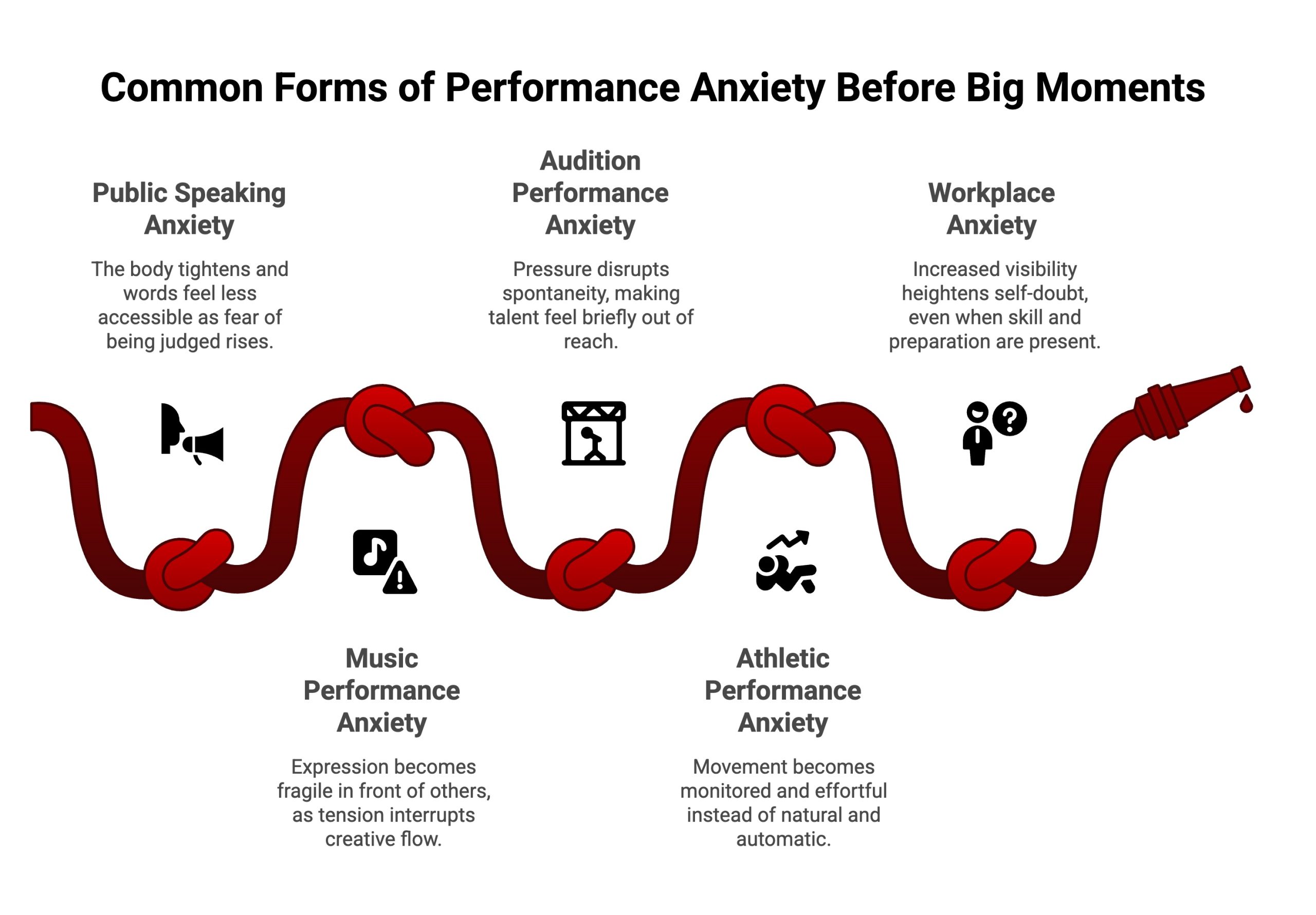 Performance anxiety does not look the same for everyone. It tends to gather around whatever feels meaningful, visible, or at risk, which is why the internal experience can feel familiar even as the setting changes.
Recognizing these patterns is not about labeling or reducing the experience. It helps the reaction feel less confusing and less personal.
Below are some of the most common ways performance anxiety takes shape, depending on where the exposure and meaning intersect
Public Speaking Anxiety
There is often a moment just before speaking when something shifts. The body tightens. The throat constricts. Words that felt accessible earlier begin to slip away.
Attention turns inward. Thoughts about being seen or getting something wrong start to take up more space. Even familiar material can feel distant, as if it no longer belongs to you.
For many people, it isn’t the speaking itself that feels hardest. It’s the exposure. The sense that something about you is suddenly on display.
Music Performance Anxiety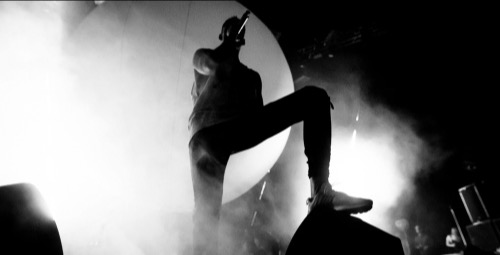
For many musicians, the contrast between practice and performance can feel sharp. What feels fluid and expressive in private may feel fragile once others are listening.
Hands tremble. Breath changes. The music becomes harder to access, even though it lives deeply in the body.
Often, what makes this anxiety so painful is how closely music is tied to identity. When performance begins to feel like a measure of worth, fear can overshadow the joy that once made creating feel alive.
Audition Performance Anxiety
For a good number of actors, the shift happens the moment an audition begins. In familiar spaces – at home or in the studio – performance feels natural and alive. You can access character, emotion, and spontaneity with ease. Your skills feel available, and your creative instincts lead the way.
During auditions, that connection can suddenly feel harder to reach. The room feels more exposed. Awareness turns inward. Spontaneity tightens, and the performance may begin to feel rigid, muted, or strangely distant, even though nothing about your ability has changed.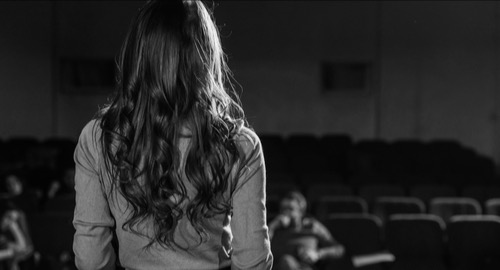
What often gets lost in these moments is not talent, but access to yourself. The pressure of being evaluated can interrupt the sense of safety that allows creativity to flow, making it difficult to stay connected to the part of you that knows how to perform.
Athletic Performance Anxiety
In athletics, anxiety often appears when movement becomes monitored rather than felt. Muscles tighten. Breathing shortens. Actions that once felt automatic begin to require effort.
Attention shifts away from the body’s rhythm and toward the possibility of mistake. Letting others down or being seen failing can start to feel heavier than the game itself.
When that happens, the body may struggle to stay present, even when it knows exactly what to do.
When Performance Anxiety Begins to Ease
Performance anxiety usually doesn’t ease by forcing yourself to calm down. It often softens when you begin to notice what’s happening instead of fighting it.
The buildup. The tightness. The moment your focus turns inward.
Allowing yourself to notice what you’re feeling, rather than pushing it away, can begin to soften performance anxiety. Beneath the tension, there is often a mix of excitement, fear, or internal conflicts.
For some people, simply staying present with these emotions helps them remain grounded and connected to themselves in the moment. From that place of emotional contact, spontaneity becomes more accessible, and connection with themselves and others can begin to return.
As this connection deepens, many people find themselves reconnecting with familiar experiences of confidence and ease. These moments remind the body that safety is still possible. That sense of trust does not belong to a single performance or situation – it reflects a steadiness that is already part of who you are.
Change happens through small shifts
Putting less pressure on the outcome. Letting yourself show up without constantly evaluating how you’re doing.
Over time, this can make being seen feel less threatening and more manageable.
Therapy can be very effective for performance anxiety. Approaches such as EMDR (Eye Movement Desensitization, and Reprocessing) help address the nervous system responses that become activated in high-pressure moments. Therapy offers space to understand what performance anxiety has been responding to and to build confidence at a pace that feels organic and supportive, rather than rushed.
When Therapy Feels Worth Considering
Sometimes, types of performance anxiety begin to shape life in subtle ways. You may find yourself holding back, avoiding moments that matter, or feeling less like yourself in situations that once felt manageable. Often, it’s not a sudden change, but a gradual narrowing of ease.
Support can be helpful when this starts to feel persistent or confusing. Therapy is not about fixing something that is broken. It offers space to understand what your anxiety has been responding to and to reconnect with your wholeness at a pace that feels attuned and supportive.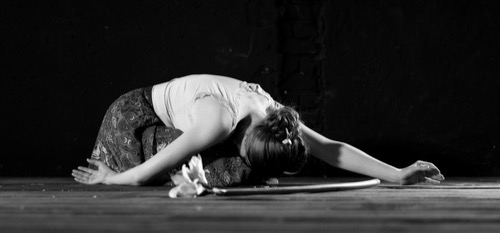
If having that kind of space feels helpful right now, contact me today.
Frequently Asked Questions
What Are The Different Types Of Performance Anxiety?
Performance anxiety can show up in many areas of life, including speaking, creativity, sports, work, and social situations. While the settings differ, the experience often feels similar, pressure increases, self-awareness sharpens, and ease fades when being seen or evaluated begins to feel risky.
Why Does Performance Anxiety Happen Even When Nothing Has Gone Wrong?
Performance anxiety often develops when something meaningful feels at stake. Even without failure or critical feedback, the body may respond to pressure, visibility, or fear of judgment. These reactions are not logical or intentional. They reflect how the nervous system responds when safety feels uncertain.
Is Performance Anxiety A Personal Flaw Or Lack Of Confidence?
Performance anxiety is not a personal flaw. It commonly appears in people who care deeply about what they are doing. The anxiety reflects sensitivity to pressure and meaning, not weakness. Many capable, confident people experience it when identity and outcome become closely linked.
How Do I Know When Performance Anxiety Is Becoming A Problem?
Performance anxiety may need attention when it starts shaping choices. Avoiding opportunities, holding back in important moments, or feeling less like yourself can be signs. When anxiety quietly limits expression, confidence, or enjoyment, it may be helpful to pause and explore what it has been responding to.
How Can Therapy Help With Performance Anxiety?
Therapy offers space to understand how performance anxiety has developed and what keeps it in place. Rather than forcing change, the focus is on restoring self-trust and emotional wholeness. With time and support, moments that once felt overwhelming can begin to feel safer and more manageable.

