
Finding Peace Beyond Success: Healing for Creative Professionals with Trauma Symptoms
When you come to me for help, I, as your therapist with over 20 years of experience in California trauma counseling services, will support you as you recover the lost parts of yourself, including aspects of you that may have been disowned, abandoned, neglected, or abused. The goal of our work is to enable you to heal and transform from the inside out so you return to your whole self. When you feel free to see, inhabit, and express your whole self, you’ll be ready to build connections, create meaning, and invest in yourself to achieve your goals or dreams.
Am I the right mental health professional for you? The majority of my clients are highly creative people. They value depth and the vast potential of the mind. Passionate and ambitious, they want to invest themselves in their creative pursuits and also strengthen their relationships. A good therapist can understand their clients, what drives them, and what they specifically need from their therapist.
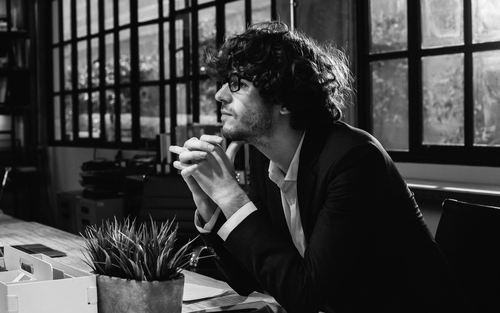


The Hidden Cost of Unresolved PTSD and Trauma for Creative Professionals
You’ve crafted the narrative others dream of living—professional acclaim, creative recognition, a life that appears complete from the outside. Yet beneath the carefully curated exterior, trauma anxiety and symptoms remain unresolved. The disconnect between your outer achievements and inner experience has become a quiet companion, following you through sleepless nights and hollow celebrations.
This isn’t simply about feeling anxious or overwhelmed. It’s about carrying weights whose origins you can’t quite name—the echoes of childhood trauma or adult betrayal that resurface in relationships, creative blocks, or moments when joy feels just beyond reach.
The paradox of outward success paired with inner struggle isn’t uncommon in Hollywood Hills. You exist in a landscape where excellence is the baseline, where the pressure to maintain appearances can silence the parts of you that need to be heard.
The creative professionals and high achievers who seek Hollywood trauma treatment often share similar stories:
“I’ve mastered my craft, but I feel increasingly distant from what once inspired me.”
“I can solve everyone else’s problems brilliantly, yet my own patterns remain stubbornly unchanged.”
“People see my success, but no one seems to recognize my struggle.”
When left unaddressed, these wounds don’t simply remain static—they deepen. The gap between who you present to the world and who you are in private grows wider. Creative inspiration becomes more elusive. Relationships become testing grounds rather than sanctuaries. You may notice signs that emotional trauma is interfering with your creativity in ways that feel increasingly difficult to ignore.
Trauma-Focused Cognitive Behavioral Therapy: A Depth-Oriented Approach to Healing
Trauma therapy in Hollywood Hills isn’t about applying clinical labels to your experience or reducing your complexities to symptoms. It’s about recognizing that what you feel makes perfect sense given what you’ve lived through, whether those experiences seem “significant enough” to warrant attention or not.
Here, healing isn’t a process of fixing what’s broken—it’s about remembering what was always whole. The parts of yourself that became separated for survival’s sake can be welcomed home again.
Trauma therapy creates space for integration—where the professional achievements and creative excellence that define your public self can exist alongside the vulnerability, uncertainty, and authentic expression that nourish your private self.
Emotional trauma can be both a treasure of creativity and a dark side that needs careful navigation. Our approach recognizes that your creative capacity isn’t separate from your healing journey. Often, the very sensitivity that makes you susceptible to wounding is also the source of your greatest gifts.
As one of the leading trauma therapists in Hollywood Hills, I employ trauma-focused cognitive behavioral therapy alongside other evidence-based approaches specifically designed to address the neurobiological impacts of trauma. I combine multiple modalities to create personalized treatment plans, recognizing that trauma manifests differently across individuals.
The Trauma Recovery Journey: Three Phases of Transformation
1. Recognition & Resourcing for Childhood Trauma
Our work begins not by diving immediately into painful memories, but by establishing safety and identifying the strengths you’ve developed along your journey. Many of my clients are dealing with the lasting effects of childhood trauma, which requires a particular sensitivity and approach. Before exploring wounds, we build a foundation of internal resources and external support.
Using approaches that address both the cognitive understanding of your experiences and their physiological imprints, we honor the wisdom of both mind and body in the healing process. Facing yourself and your feelings allows you to connect with your true creative self.
2. PTSD Treatment & Integration
Through evidence-based approaches like EMDR, Internal Family Systems therapy, and somatic techniques, we work with both the stories you carry and the sensations that live beneath them. These approaches help you break the cycle of emotional trauma and self-fulfilling prophecies that may have been limiting your life and creative expression.
For clients experiencing PTSD symptoms—including flashbacks, nightmares, hypervigilance, or emotional numbing—these specialized therapy treatments provide relief while addressing the underlying causes rather than just managing symptoms.
3. Reclamation & Processing Betrayal Trauma
As defensive patterns soften and painful experiences are metabolized, space opens for reclaiming disowned aspects of yourself. For many clients, processing betrayal trauma—whether from intimate relationships, family dynamics, or professional settings—is a crucial part of this stage.
Creative expressions that once felt blocked may flow more freely. Relationships deepen as authenticity becomes possible. This isn’t merely about symptom reduction—it’s about making meaning from your experiences and allowing them to inform rather than control your life’s direction. For performers and artists, this process can be particularly powerful, providing pathways to return to performing after a traumatic creative experience.


Why Choose Me as Your Hollywood Hills Trauma Therapist
My 20+ years of specialized experience in trauma therapy for creative professionals in Hollywood Hills has uniquely qualified me to address your specific needs:
Specialized Expertise with Creative Minds
Unlike general practitioners, I’ve dedicated my career to understanding the intersection of creativity and trauma. I’ve worked extensively with writers, actors, directors, musicians, and other artists to develop therapeutic approaches that honor and protect the creative process while addressing underlying trauma. This specialized focus means I understand industry-specific pressures and their impact on your psychological wellbeing.
Comprehensive Trauma Treatment Training
I’ve completed advanced training in multiple evidence-based trauma therapies including EMDR, trauma-focused cognitive behavioral therapy, somatic experiencing, and Internal Family Systems. This diversity of approaches allows me to customize treatment to your specific trauma type, symptoms, and healing style rather than forcing you into a one-size-fits-all approach.
Cultural Competence for Diverse Clients
My practice has always welcomed clients from diverse backgrounds, with particular expertise in LGBTQ+ affirming therapy and multicultural approaches to trauma. Having worked with international clients and those from various cultural backgrounds, I understand how cultural factors influence both the experience of trauma and the healing process.
Commitment to Privacy and Confidentiality
Working with high-profile clients has honed my commitment to exceptional privacy practices. Beyond standard confidentiality, I offer flexible scheduling, discreet office locations, and telehealth options to protect your privacy. I understand that for many in the public eye, confidentiality concerns can be a barrier to seeking help, and I’ve structured my practice to address these concerns.


Begin Your Trauma Counseling Journey Today
Your ability to function at a high level despite carrying hidden wounds speaks to your remarkable strength and adaptability. Imagine what might become possible when that energy is no longer needed to maintain walls or manage pain—when it can be redirected toward deeper connection, authentic expression, and renewed purpose.
Trauma therapy in Hollywood Hills offers not just relief from suffering but an invitation to a more integrated way of being—where success and vulnerability coexist, where your story includes both what has happened to you and what you choose to create from those experiences.
As a leading provider of trauma counseling services in California, I offer a free consultation to discuss your specific needs. In-person appointments are available at 450 N. Bedford Dr., Suite 301 Beverly Hills, CA 90210, and I also provide secure telehealth options for those who prefer virtual sessions.
Taking the first step can be the most challenging part of the journey. I encourage you to explore these 6 questions creatives can look into about unhealed emotional trauma as you consider whether trauma therapy might be right for you.


FAQ About Creative Minds Psychotherapy
What are the most common techniques used in trauma therapy?
In my practice, I integrate several evidence-based approaches that address trauma’s impact on both mind and body:
- EMDR (Eye Movement Desensitization and Reprocessing): Helps the brain process traumatic memories through bilateral stimulation, often reducing their emotional charge without requiring detailed verbal recounting.
- Internal Family Systems (IFS): Views the mind as containing various “parts” developed in response to trauma. We work with these parts compassionately to access your core “Self” and facilitate healing.
- Somatic Experiencing: Addresses how trauma is stored in the body by focusing on physical sensations and nervous system regulation, helping release trauma that remains held in bodily patterns.
- Attachment-Focused Therapy: Explores how early relationships shaped your current patterns, particularly valuable for those with relational trauma or developmental wounds.
- Mindfulness-Based Approaches: Builds present-moment awareness and self-compassion skills that support trauma recovery.
- Trauma-Focused Cognitive Behavioral Therapy: Helps identify and reshape negative thought patterns stemming from traumatic experiences through a structured approach combining cognitive restructuring with exposure techniques.
I tailor these approaches to your specific needs rather than applying a one-size-fits-all model.
How does trauma therapy differ for creatives versus non-creatives?
For creative professionals, trauma therapy often integrates several unique elements:
- Creative Expression as Healing: We may incorporate your preferred artistic mediums into the therapeutic process, allowing expression of experiences that might be difficult to verbalize.
- Identity Integration: Creatives often experience a complex relationship between their personal and artistic selves. We explore how trauma affects both aspects of identity and work toward integration.
- Performance Anxiety and Creative Blocks: We address trauma’s specific impacts on creative expression, including performance anxiety, creative blocks, and impostor syndrome.
- Industry-Specific Stressors: I understand the unique pressures of creative industries—including public visibility, criticism, inconsistent income, and competitive environments—and how these can trigger or exacerbate trauma responses.
Protection of Creative Spark: Throughout the healing process, we carefully honor and protect your creative essence, ensuring trauma work supports rather than suppresses your artistic voice.
What are the latest trends in trauma therapy?
The field continues to evolve with several promising developments:
- Neuroscience-Informed Approaches: Treatments increasingly incorporate our understanding of the brain’s response to trauma, including polyvagal theory and nervous system regulation techniques.
- Technology Integration: Virtual reality exposure therapy shows promising results for specific trauma types, while mobile applications can provide between-session support.
- Cultural Competence: Growing recognition of how cultural factors influence trauma experiences and healing processes informs more personalized treatment approaches.
- Psychedelic-Assisted Therapy: Though still in research phases, therapies involving MDMA and psilocybin (in controlled settings) show promise for treatment-resistant PTSD (note that I do not provide these treatments, but can discuss the research).
- Collaborative Care Models: Integration of trauma therapy with other health approaches (nutritional support, body-centered practices, psychiatric care) creates more comprehensive healing paths.
I regularly update my training to incorporate evidence-based innovations while maintaining the core therapeutic relationship that remains central to healing.
How effective is trauma therapy in managing symptoms?
Research consistently demonstrates trauma therapy’s effectiveness across various symptoms and trauma types. Most clients experience measurable improvement in several areas:
- Reduction in intrusive symptoms (flashbacks, nightmares, unwanted memories)
- Decreased hyperarousal and reactivity
- Improved emotional regulation
- Better quality of relationships
- Enhanced capacity for presence and joy
- Reduced avoidance behaviors
- Greater self-compassion and reduced shame
The gradual nature of trauma recovery means changes often occur incrementally rather than all at once. Many clients report significant life improvements following trauma-focused therapy, with one client describing their experience as “life-changing” after years of struggling with familial dysfunction.
Is trauma therapy only for people who've experienced severe or obvious trauma?
No. Many high-functioning individuals carry what’s known as developmental trauma or attachment wounds that may not fit conventional definitions of “trauma” but significantly impact their experience of themselves and their relationships. If you sense a disconnect between your outer success and inner experience, trauma therapy may provide valuable insights regardless of whether you can identify specific traumatic events.
How is this different from traditional therapy I've tried before?
Many approaches to trauma recognize that wounds are stored not just in our thoughts but in our bodies and nervous systems. Rather than focusing exclusively on cognitive understanding or behavioral change, trauma therapy addresses the physiological patterns that maintain distress even when you “know better.” This integration of mind and body approaches often reaches places that talk therapy alone cannot access.
How long does this process take?
Healing isn’t linear and doesn’t conform to predetermined timelines. That said, many clients report feeling tangible shifts within the first few months of consistent work. Our approach emphasizes quality over quantity—creating meaningful, sustainable change rather than temporary symptom relief.
